Quick Answer

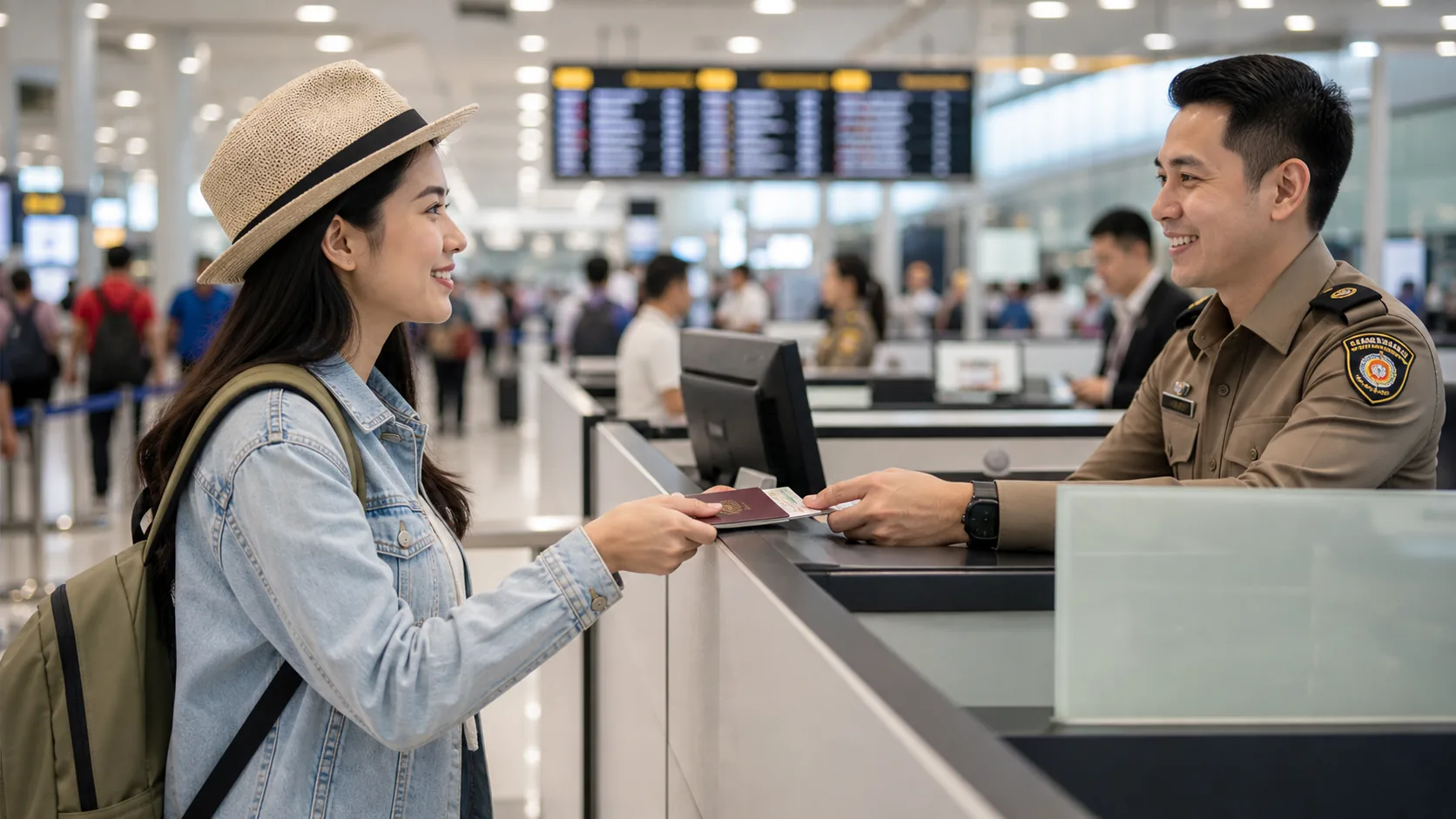
Check passport validity, visa or exemption status, TDAC timing, onward travel, and insurance before departure. Because entry and transport details can change, use this guide to understand the decision logic and check the official source links before travel.

Who This Guide Is For

This guide is for first-time visitors who need a practical entry checklist. It assumes you want useful local context, realistic transfers, and a route that still feels good once heat, rain, luggage, jet lag, and traffic enter the picture. Thailand is easy to love, but it is not frictionless. A good plan leaves room for slower mornings, airport waits, temple dress rules, food decisions, and the occasional reroute.

What You Need to Know

The focus here is entry documents and process. For Thailand Field Notes, a strong article should help you decide where to go, how to move, and what to avoid. That means a Bangkok guide should talk about neighborhoods and transport, not only temples. A beach route should talk about piers and weather, not only turquoise water. An entry article should explain what to check and when to re-check it.

Travel information has layers. Some details are stable, such as Bangkok traffic being a real planning factor. Some details are seasonal, such as rain, sea conditions, and northern air quality. Some details are policy-based and must be verified near departure, especially visa status, arrival-card procedures, airport processes, train booking rules, emergency contacts, and insurance requirements.

Step-by-Step Details

Start by deciding what problem this guide solves. Treat entry rules as current information that must be reviewed before travel. Then put the route or process in order. Arrival comes before sightseeing. Hotel location comes before food hopping. Ferry timing comes before island-hopping ambition. Temple clothing comes before the temple day.

For movement, the key note is this: Arrival airport flow depends on airline, immigration queues, baggage, customs, and onward transport. If a trip involves Bangkok, check whether rail helps or whether luggage and hotel location make a taxi or ride app easier. If a trip involves northern Thailand, decide whether you value time, comfort, or the journey itself. If a trip involves islands, plan hotel-to-pier-to-boat-to-hotel, not just city-to-island.

Common Mistakes

The most common mistake is Relying on a months-old social media post for visa or arrival-card rules. Another common mistake is trusting a perfect map route without adding heat, rain, crowds, queues, or luggage. A transfer that looks simple at home can feel very different after a long-haul flight or during a downpour.

Do not build a Thailand itinerary as if every day starts fresh at 7 a.m. and ends with no travel fatigue. Better trips usually have fewer bases, better hotel locations, and clearer reasons for each move.

Better Alternatives

If the plan feels tight, remove a destination before removing sleep. If the route has three one-night stays, consider turning one into a day trip or skipping it. If your hotel is far from transit, spend more on location or simplify the day. If you are nervous about arrival, use the simplest airport option first and save adventurous local transport for later.

For first-time visitors, the most reliable alternative is often a three-part trip: Bangkok, one northern or cultural base, and one beach or island region. For returning visitors, the better alternative may be slower travel in fewer places.

Weather or Seasonal Notes

Holiday peaks can increase airport pressure. Thailand's weather is shaped by monsoon patterns, heat, and regional differences. The Tourism Authority of Thailand describes broad wet, hot, and cooler dry periods, but practical decisions should still be local. Beach expectations, ferry comfort, hiking plans, and city walking can all change with season.

Rain does not automatically ruin a Thailand trip. It does mean you should protect transfer days, avoid overloading outdoor plans, and keep a second option for markets, massages, food neighborhoods, museums, cafes, or a slower hotel day.

Cost and Time Notes

Document mistakes can cost far more than an early check. Thailand can be affordable, but the cheapest option is not always the best value. A bad hotel location can make every day more expensive. A bargain flight can become awkward if it lands late. A low-cost ferry chain can be stressful with big luggage.

Think in door-to-door time. Include checkout, traffic, airport security, waiting, baggage, pier transfer, hotel check-in, and the energy cost of changing bases.

Related Guides

Good next steps include a route guide, a transport guide, and a destination guide. A first-time route might connect Thailand Travel for First-Time Visitors, Bangkok Airport to City, Bangkok First-Timer Guide, Bangkok and Chiang Mai Itinerary, and Krabi Travel Guide. Keep the internal path useful: destination first, route second, transport third, local context always.

Official Sources

- Thailand Digital Arrival Card: https://tdac.immigration.go.th/
- U.S. State Department Thailand Travel Information: https://travel.state.gov/content/travel/en/international-travel/International-Travel-Country-Information-Pages/Thailand.html
- Tourism Authority of Thailand Weather: https://www.tourismthailand.org/Plan-Your-Trip/Weather?province=219
- Tourism Authority of Thailand Useful Calls: https://www.tourismthailand.org/Plan-Your-Trip/Useful-Call