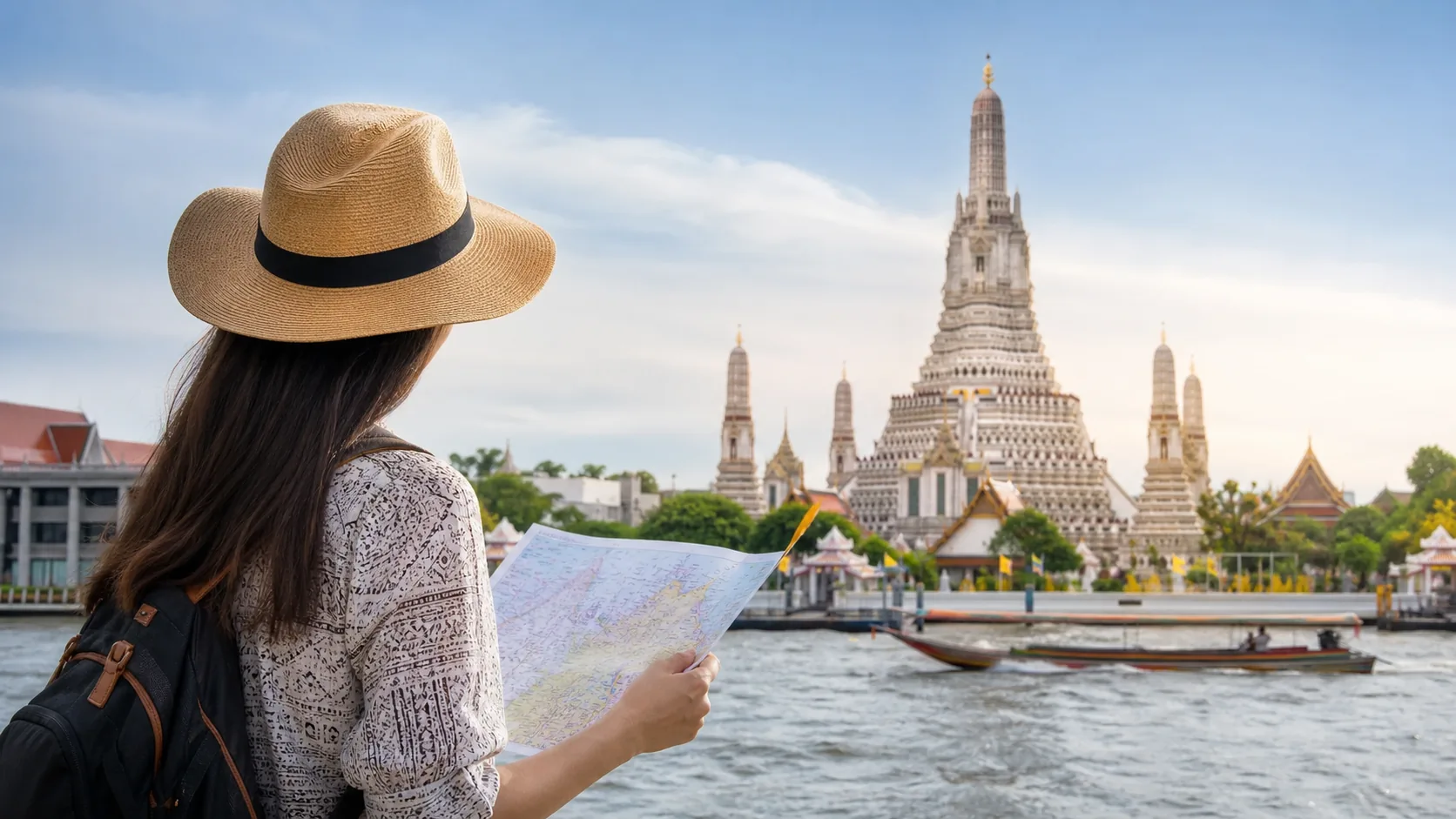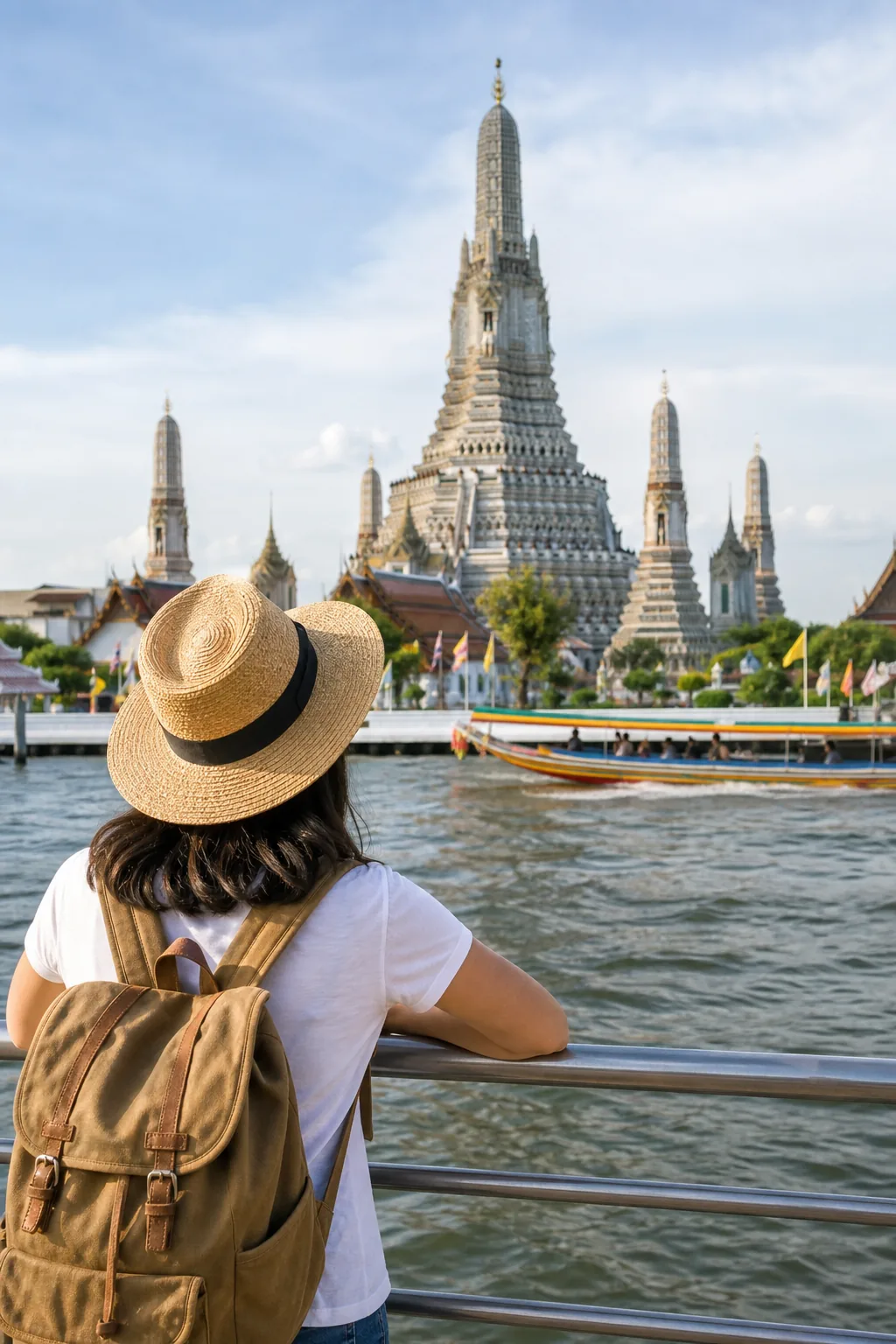
Bangkok is easier on a first visit when you treat it as a collection of areas rather than one compact sightseeing zone. The practical decision is not how many landmarks fit on a list, but which part of the city should anchor each day and how much movement you are willing to add around it.
Choose a base around the days you actually want
A lower room rate can be poor value if the hotel is far from the places you plan to visit. Start with your main interests—temples, river travel, food neighborhoods, markets, or convenient rail connections—and then compare accommodation areas. A well-placed base reduces repeated cross-city journeys and gives you a simpler route back when heat, rain, or fatigue changes the plan.
Do not assume every useful area has the same transport pattern. Rail may solve one day, river boats another, while a taxi or ride app may be the practical choice when luggage or a difficult hotel location is involved. The Bangkok BTS and MRT guide helps with rail-based days, but the best itinerary still groups nearby stops before choosing a mode.
Separate arrival day from sightseeing ambition
Bangkok often serves as the arrival hub for the wider trip. Immigration, baggage, money or SIM decisions, and the journey from the airport all take attention before the city visit properly begins. Choose the airport transfer by arrival time, luggage, energy, and hotel location rather than by the cheapest advertised option. The airport's current choices are listed on the Suvarnabhumi Airport transportation page.
Keep the first plan modest, especially after a long-haul flight. The detailed Bangkok airport-to-city guide can help you compare the main transfer logic before departure. If the hotel is not convenient for rail or you arrive with several bags, a direct road transfer may be easier even when it costs more.
Build days around distance, heat, and rain
A route that looks short on a map can expand once traffic, queues, walking conditions, and a downpour are included. Put outdoor walking and temple visits where they fit best, allow a midday pause, and keep an indoor or slower alternative for weather changes. The Tourism Authority of Thailand weather page gives broad official context, but conditions still need to be checked close to the day.
Temple clothing should be part of the morning plan, not an afterthought at the entrance. The same principle applies to reservations, bags, and onward tickets: prepare the constraint before leaving the hotel so one missing item does not force another trip across the city.
Use Bangkok as a hub without overloading it
Bangkok can support food, culture, transport, and historical day trips, but those roles do not have to be compressed into consecutive early starts. A day outside the city should have one clear direction and enough margin for the return. If you are comparing options, the historical day-trip guide explains why Ayutthaya and Kanchanaburi call for different transport and pacing decisions.
Before travel, save the official contacts relevant to your trip and keep them available offline. The Tourism Authority of Thailand useful-calls page is a better reference than relying on an old number copied into a travel note. Bangkok rewards flexibility: fewer cross-city moves, a better-located base, and a realistic arrival day usually matter more than adding one more stop.